Tooth and Nail: The Fight for Damdil Piquet, 1937
Tooth and Nail: The Fight for Damdil Piquet, 1937
Introduction
On the night 20/21 March 1937, in a tiny shelter on India’s North West Frontier, eight Gurkha soldiers fought for their lives.
These soldiers of the 2nd Battalion, 5th Royal Gurkha Rifles (2/5RGR) had been sent to man No. 11 Piquet, which guarded the battalion’s camp at Damdil. No.11 Piquet was a simple shelter constructed from rocks, sandbags and canvas. Set on a small rise 400 yards from the camp, it was manned at night to protect the camp from attacks by Pathans, a local tribal group that was often hostile toward British and Indian soldiers.
These eight Gurkhas would battle a force over three times their number, enduring brutal fighting and horrific wounds to protect their Gurkha comrades resting in the camp below, who were unaware of the danger they were in.
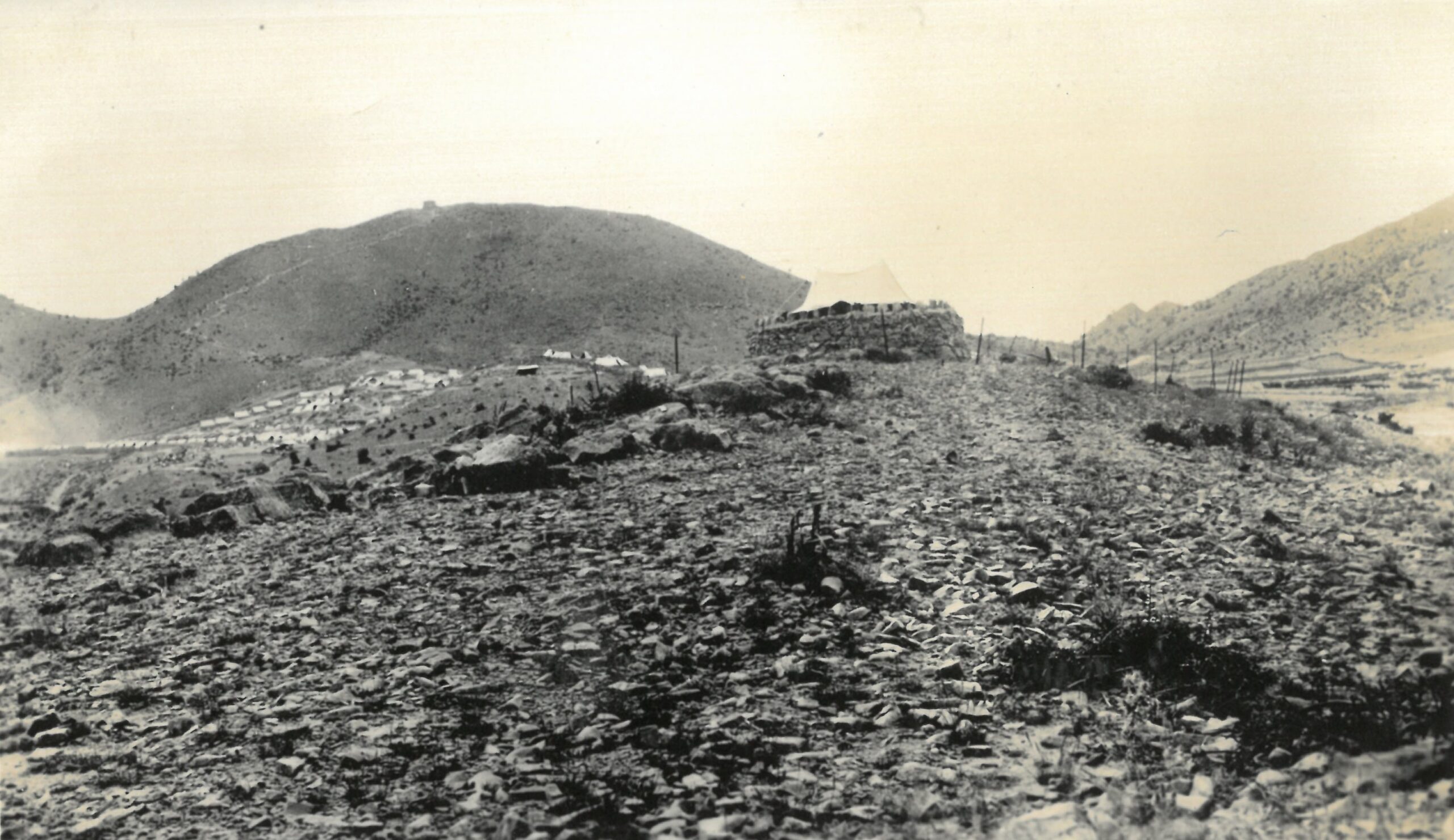
No. 11 Piquet, in the centre of the image, with Damdil camp in the background.
Waziristan, 1936-1937
The fight at No.11 Piquet was a part of the 1936-1939 Waziristan Campaign. This campaign, fought on the eve of the Second World War, was the last large scale North West Frontier operation undertaken by Britain’s Indian Army.
Fought in what is now Pakistan, the campaign began in November 1936 when a major uprising against British rule broke out. The uprising was largely inspired by Haji Mirza Khan Wazir, also known as the Faqir of Ipi. Thousands of British and Indian troops would serve during the campaign, including 14 Gurkha battalions.
2/5RGR joined the campaign in early 1937. Initially, its task had been to cover road building efforts through the region, with enemy opposition confined to sniping and sabotaging telephone wires. After two months of work described as ‘boring at times and strenuous at others’, it was withdrawn back to Abbottabad for rest.
In March, it moved back to toward the North West Frontier, this time moving to Damdil camp.
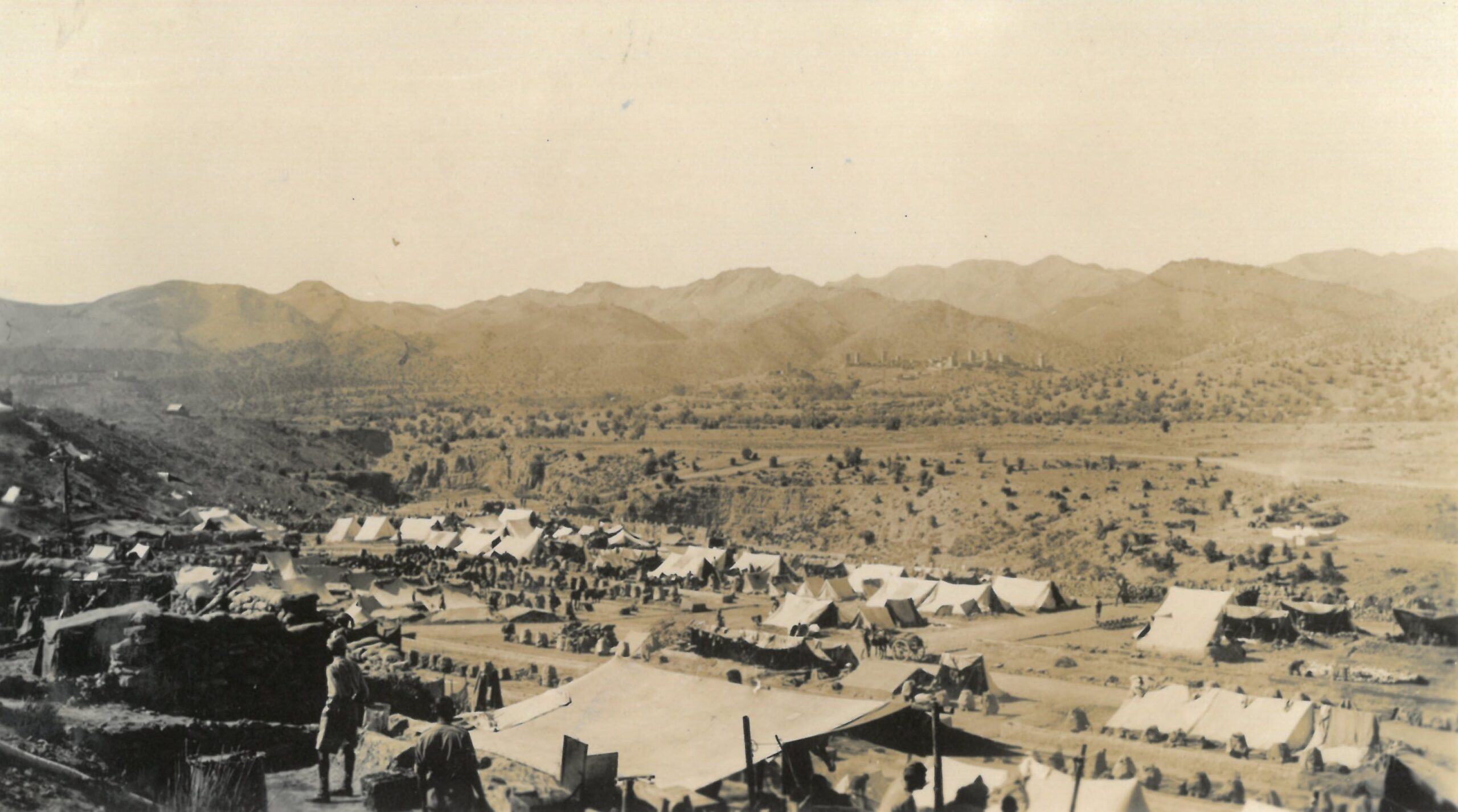
Damdil camp, c1937.
Once settled at Damdil, the Gurkhas were placed on road protection. There were many tribesmen active in the area, but the Gurkhas were under strict orders not take any action against them except in self-defence. The local Pathans increased sniping attacks, wounding two Gurkhas.
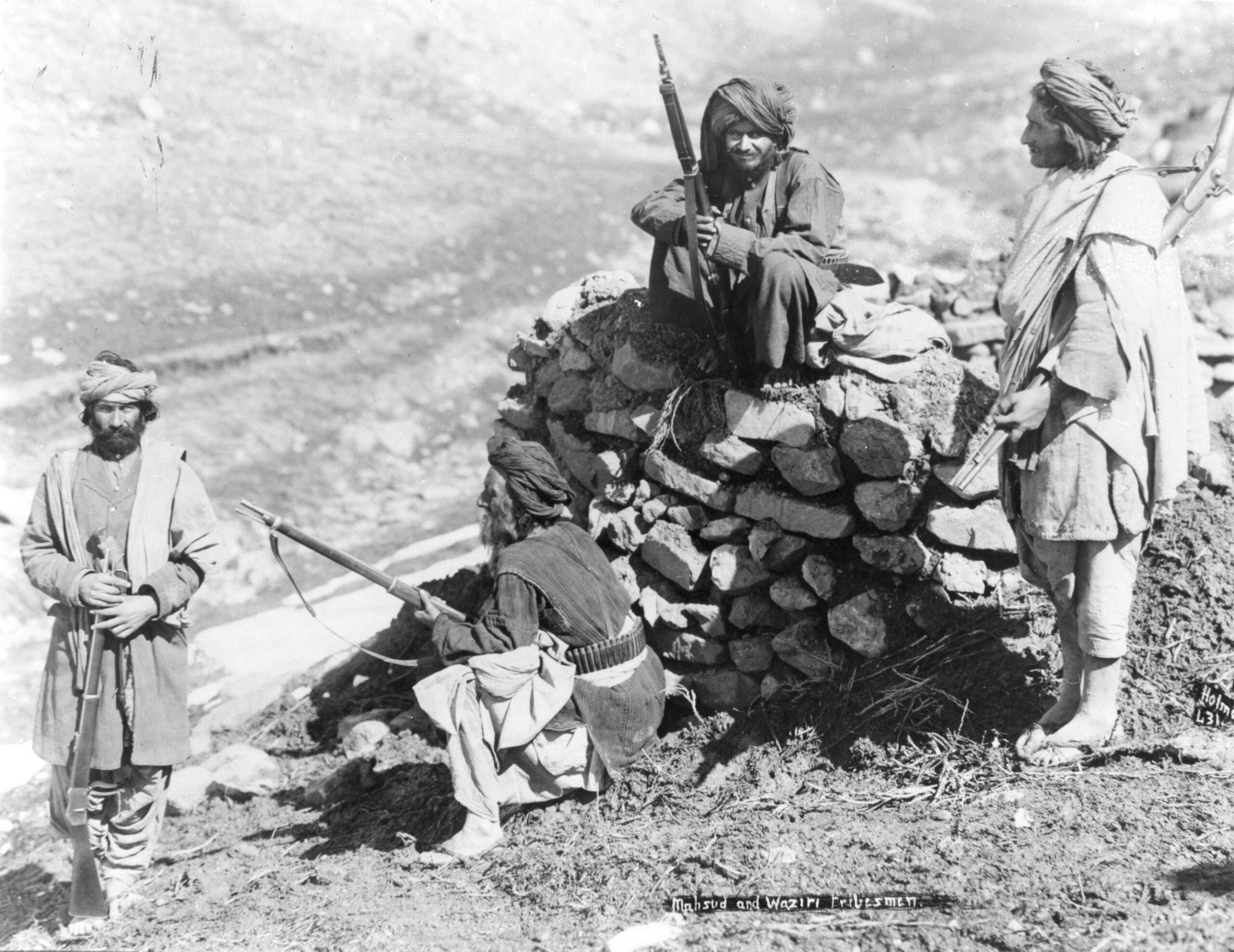
Mashud and Waziri tribesmen on the North West Frontier.
However uncomfortable the sniping had made life for 2/5RGR, it was not until 20 March that the Pathans would attempt a direct attack on the Gurkhas. On that date, 8 Gurkhas from ‘A’ Company were detailed to hold No.11 Piquet. The party, led by Naik Nandalal Ghale, consisted of 7 Riflemen: Dhanbahadur Gurung, Nandabir Thapa, Ganjasing Gurung, Khumansing Gurung, Dholi Gurung, Dalbahadur Gurung and Uttamsing Rana.
As the men trudged the 400 yards to No. 11 Piquet in the twilight of 20 March, they likely anticipated another long night of routine piquet duty. None could have imagined the ordeal that lay ahead of them.
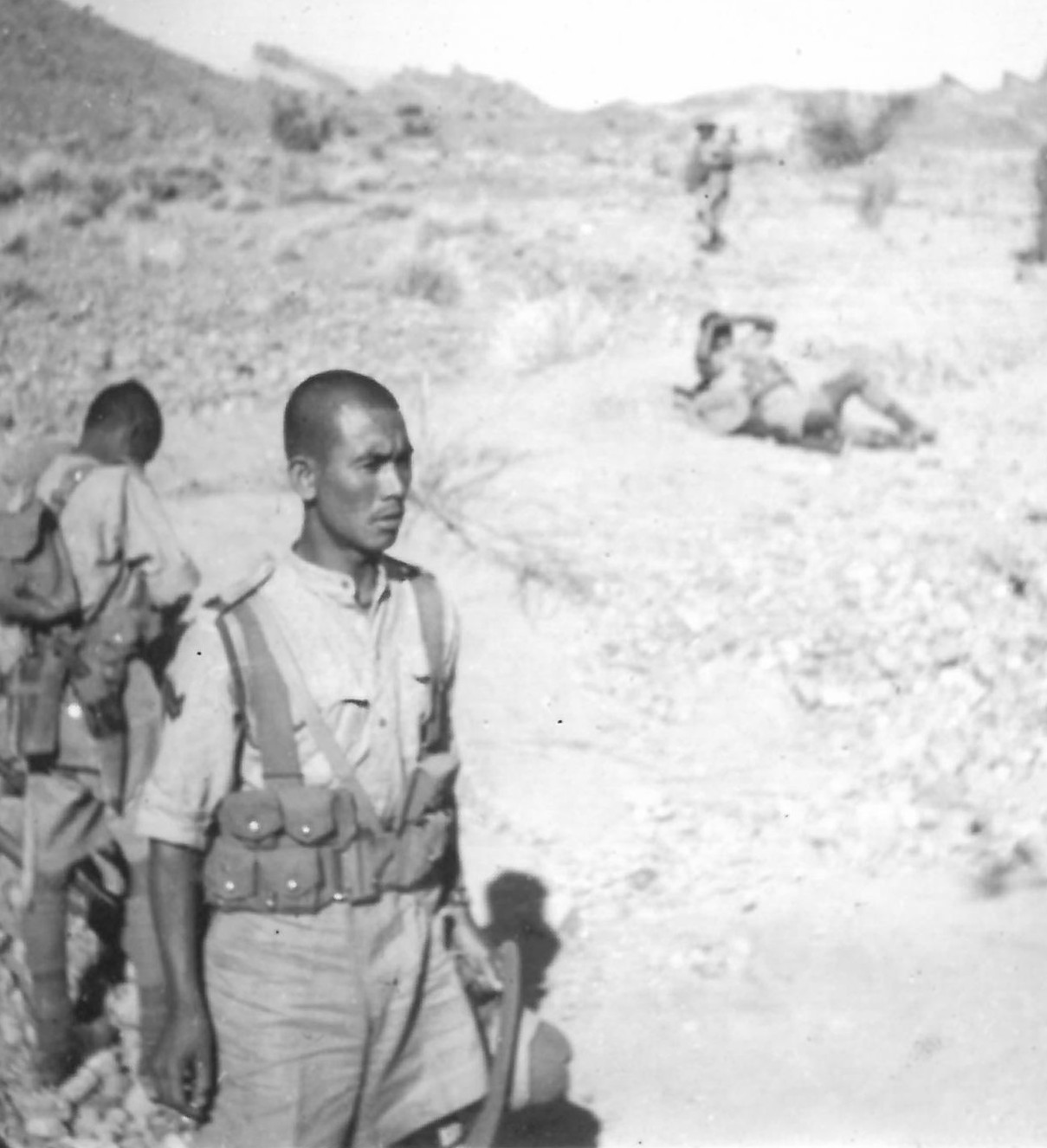
Naik Nandalal Ghale on the North West Frontier, c1937.
Protecting the Piquet
For Naik Nandalal and his men, the first several hours of their piquet duty would have indeed been routine. Although an enemy attack or ambush had been anticipated when the Gurkhas first occupied Damdil camp, no such effort had materialised and the Pathans had kept their distance.
But at around 3.30am a burst of gunfire suddenly rang out from the darkness, instantly killing the Gurkha on sentry. Rifleman (Rfn) Dhanbahadur immediately shouted for the men to stand to. Seconds later, a lone Pathan leapt into the piquet and fatally stabbed another Gurkha. By this time, the men had shaken off their initial shock and the Pathan was quickly killed.
Taken by surprise and with their force now down to just six Gurkhas, there was little they could do as more Pathans leapt over the piquet’s walls. With their backs pressed together, the Gurkhas fought with khukuris, bayonets, daggers and rocks. The clash quickly descended into a vicious hand-to-hand scrum as the Gurkhas fought to survive.
After minutes of close-quarters fighting, in which all six Gurkhas received multiple wounds, the men managed to kill a further two Pathans. These losses seemingly turned the tide inside the piquet, and the other Pathans withdrew.
Naik Nandalal and his men were still alive, though two were so badly wounded that they could no longer fight. Nandalal himself had a deep knife wound in his lung and was quickly losing blood. But however close he was to his limit, the fight was not finished yet and Nandalal’s men needed his leadership.
Rallying the three Gurkhas who were still able to fight, Nandalal confused the remaining Pathan attackers by keeping up rapid fire from the piquet. By ordering his men to repeatedly change their firing positions, it gave the impression to the attackers that the piquet was still strongly held.
This was of course a bluff, and it is unlikely that the Gurkhas could have fought off another direct assault. What made their position even more precarious was that in the camp below, no one knew what was happening.
Prior to their attack, the Pathans had cut the signal wires connecting the piquet to the battalion’s headquarters. Although some shots had been heard, it was assumed it was routine sniping. Additionally, though there was a signalling lamp and flare pistol in the piquet, these were not used – possibly because Nandalal and his Gurkhas were unable to take their attention away from the enemy.
Up in No.11 Piquet, the situation was deteriorating. After about 2 hours of exchanging fire with the surrounding Pathans, Naik Nandalal collapsed from exhaustion and blood loss. At this critical moment, Rfn Dhanbahadur stepped up and took command. Continuing Nandalal’s plan, Rfn Dhanbahadur and his two comrades kept up a steady fire on the Pathans, suppressing their movements and causing the attackers to second guess the Gurkhas strength.
The Gurkhas kept up their fire until 6am. As the sun rose, the Pathans finally retreated. Shortly afterwards a patrol arrived at No.11 Piquet. They found that Rfn Dalbahadur Gurung and Rfn Uttamsing Rana were both dead. 3 Pathan bodies lay inside the piquet, alongside 6 still living but severely wounded Gurkhas.
In 2/5RGRs war diary, the extent of the wounds the defenders of No.11 Piquet received is recorded in detail. To list just some of the wounds suffered by Rfn Ganjasing, he received seven gunshot wounds, two knife wounds, including one which penetrated his chest cavity, and the loss of his right index finger. Rfn Khumansing also fared badly, having suffered five gunshot wounds and the loss of his right eye.
Despite the severity of their wounds, all six Gurkhas eventually recovered. Their defence of No.11 Piquet was celebrated throughout the regiment, and the survivors all received decorations for gallantry. Naik Nandalal and Rfn Dhanbahadur were both awarded the Indian Order of Merit, whilst Riflemen Nandabir, Ganjasing, Khumansing, and Dholi received the Indian Distinguished Service Medal.
Naik Nandalal was later promoted to Jemadar and continued to serve with 2/5RGR into the Second World War. Tragically, Nandalal was gravely wounded during the Battle of the Sittang Bridge on 23 February 1942. Unable to be moved due to the severity of his injuries, he was left behind when British forces were forced into a rapid retreat. He was never seen again and is commemorated on the Rangoon Memorial. He was 33 years old at the time of his death.
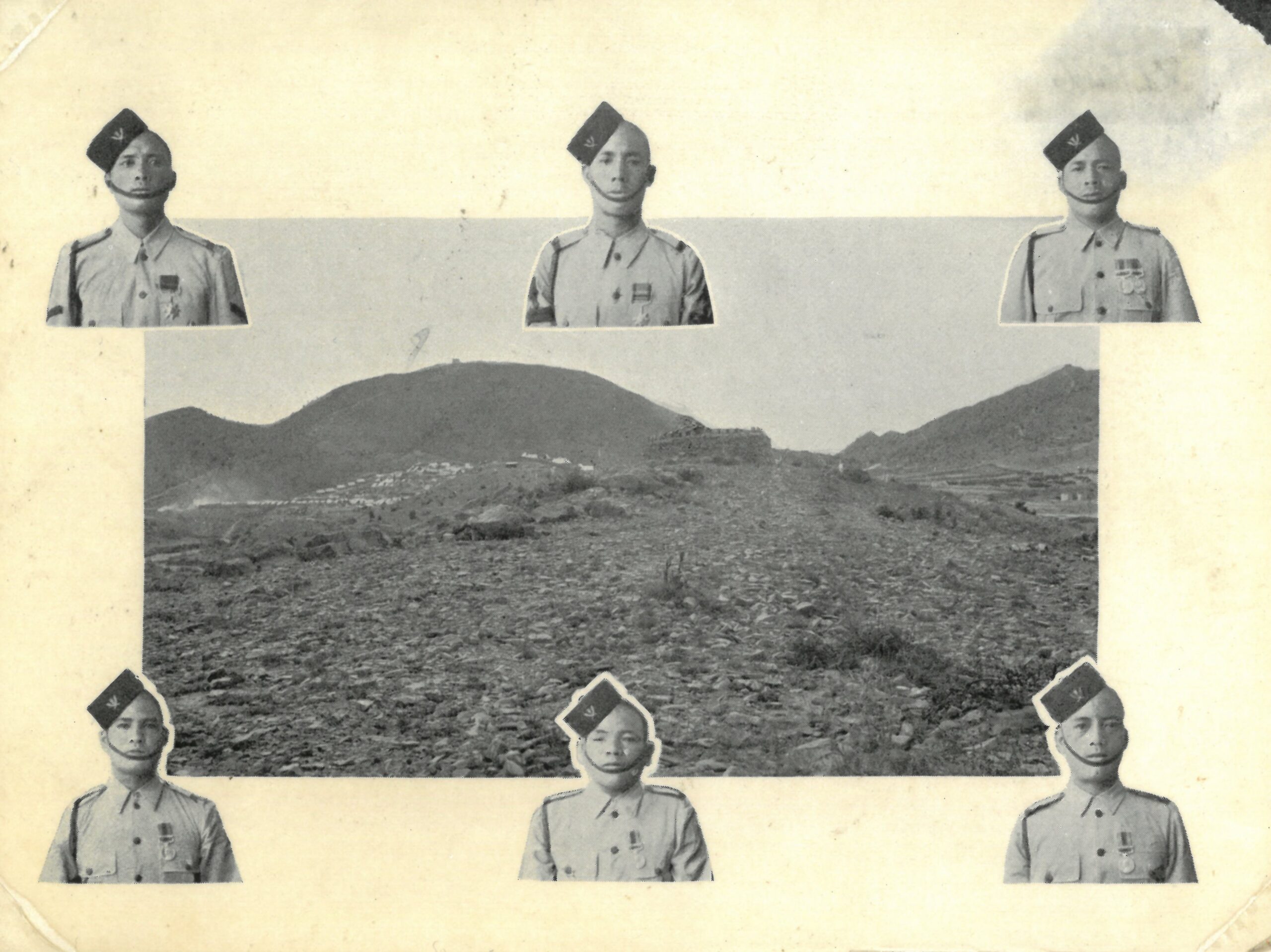
The six surviving defenders of No.11 Piquet.
The fight for No.11 Piquet was one action in an eventful campaign. Just days later, 2/5RGR would take part in a fierce battle against almost a thousand Pathan tribesmen and fight many other skirmishes before the campaign ended.
If you would like to learn more about the 1936-1939 Waziristan Campaign, you can attend the Gurkha Museum’s upcoming lecture; The Last Frontier Campaign: Waziristan and the Fakir of Ipi. Delivered by historian Chris Jupp, the lecture will bring to life this forgotten campaign through first-hand accounts, personal stories, and rare photographs, offering a compelling insight into one of the last chapters of frontier warfare and the men who fought it.
The lecture will be held at the Gurkha Museum at 10.30am on 21 October 2026. For more information and to purchase a ticket, visit the event page using the following link: https://thegurkhamuseum.co.uk/event/the-last-frontier-campaign/