
Afghanistan Siege: The Gurkhas’ Stand at Now Zad
Afghanistan Siege: The Gurkhas’ Stand at Now Zad
Reflections from Colonel Dan Rex MVO
“Nowzad was twenty years ago, yet at times it feels as though it happened yesterday. Only recently has it begun to loosen its grip on my daily thoughts, and I have found some measure of reconciliation and peace.
It was a chapter of what many described as the ‘Fourth Afghan War’ – a time known to those who served there as the ‘Wild West’. We were desperately short of troops, and the margins for resupply, reinforcement and recovery were perilously thin.
As Company Commander, I was acutely aware of our vulnerabilities. Isolated in our cantonment and heavily outnumbered by a determined enemy who showed little fear of death, the prospect of being overrun was a constant reality rather than a remote possibility.
As I write this, my mind drifts back to the heat, the chaos, the mounting risks and the ever-present sense of dread. Yet above all, I remember the stoicism, humour, professionalism and unwavering loyalty of the finest soldiers on earth. I could not be prouder to have commanded such magnificent men.
Twenty years on, my thoughts remain with every soldier who stood the line at Nowzad. Their courage was not the absence of fear, but the determination to do their duty despite it. In the most demanding circumstances, they displayed extraordinary fortitude, selflessness and comradeship. Some paid a heavy price; all carried the burden of that battle. Their service, sacrifice and example continue to inspire those who follow in their footsteps. It was the honour of my professional life to serve alongside them, and I remain forever indebted to their loyalty, courage and friendship. We remember them with pride, respect and gratitude.
The Battle of Nowzad was ultimately defined not by the enemy we faced, but by the quality of the men who stood together in the face of overwhelming adversity. Their courage remains an enduring example to future generations of soldiers. Jai D (Tamandu) Company. Jai Gurkha.”
Introduction
Between 2001 and 2021, the British Army conducted twenty operational deployments to Afghanistan under the codename Operation HERRICK. Gurkhas from across the Brigade, from all capbadges served during these campaigns, undertaking demanding operations.
The Brigade of Gurkhas played a distinguished role throughout the HERRICK campaign, with units from across the Brigade deploying repeatedly. During operations in Afghanistan, the Brigade lost 11 soldiers and 4 officers, with many more wounded. Their courage, professionalism and fighting spirit earned the enduring respect of those who served alongside Gurkha units.
In April 2006, D (Tamandu) Company of the 2nd Battalion, Royal Gurkha Rifles (2RGR) deployed to Afghanistan as part of Operation HERRICK 4. Between May and October 2006, the Gurkhas of D Company fought a series of fierce engagements against Taliban fighters.
Among the most intense battles were those fought in and around Now Zad district. Here, elements of D Company were besieged by the Taliban. Outnumbered, surrounded and under near-constant attack, the Gurkhas in Now Zad endured some of the harshest fighting experienced by British forces during the campaign.
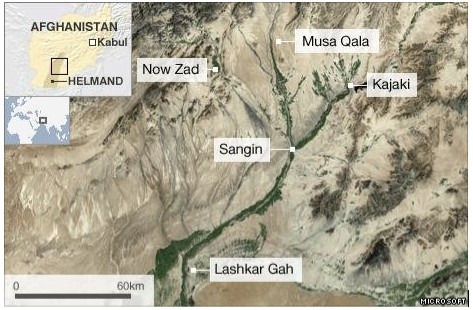
Map showing the location of Now Zad in relation to other military bases in Helmand province.
Twenty years on, The Gurkha Museum Trust reflects upon the incredible stand made by these Gurkha soldiers in July 2006.
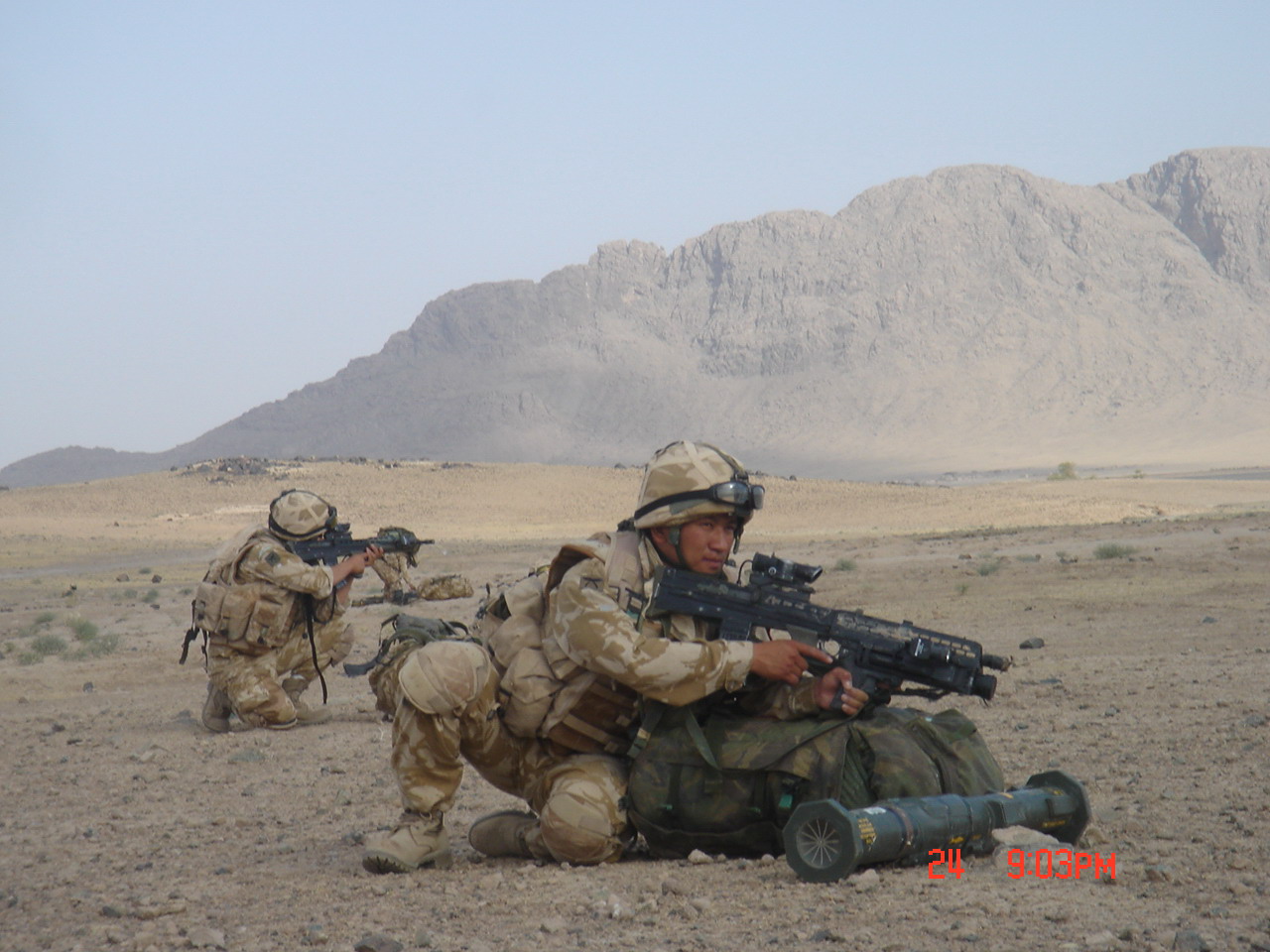
2RGR soldiers in Now Zad district, Helmand province in 2006
Deployment
D Coy was formed at short notice in January 2006. Its purpose was to reinforce 16 Air Assault Brigade in Afghanistan. After several months of training and preparation, it deployed into Afghanistan in April. By the end of May, D Coy was in the thick of the fighting in Helmand. Its platoons were spread across the region.
10 Platoon (10 Pl) had its first serious engagement whilst supporting the 3rd Battalion, Parachute Regiment (3 PARA) during search and cordon efforts. Ambushed by 25 Taliban fighters, the platoon fought its way to safety with the support of an Apache helicopter.
Other elements of D Coy were based near the town of Sangin, where they fought several skirmishes against local insurgents. In one instance, 12 Pl was sent to extract a British patrol that had suffered two fatalities. Coming under accurate enemy fire, the Gurkhas fought a three-hour firefight with the Taliban before finally being able to counterattack. 12 Pl was able to extract the patrol with no further casualties.
By the end of June, D Coy had settled into the flow of operations in Helmand and gained extensive battle experience. For all they had already faced, July would mark a significant intensification of their tour.
“The rounds thudded into the only thing stopping us from being shredded to pieces: the sandbags used to fortify the sangar. Sand, forced out of the bags from the pressure of each impact, puffed into our faces, invading our eyes, noses and mouths. […]
The rounds that didn’t smash into the sandbags traced lightening streaks in the air like shooting stars as they crackled past overhead. Rounds from an AK-47, the Taliban’s weapon of choice, travel faster than sound, like silent executioners. At least if you hear the shot, you’re still alive”.
Extract from The Gurkha Mindset by Captain Kailash Limbu, The Royal Gurkha Rifles.
Now Zad
In 2006, Now Zad (also spelt as Nawzad) was a small village in northern Helmand. Built around a central marketplace, or bazaar, much of the village was made up of low mud brick buildings and narrow alleyways.
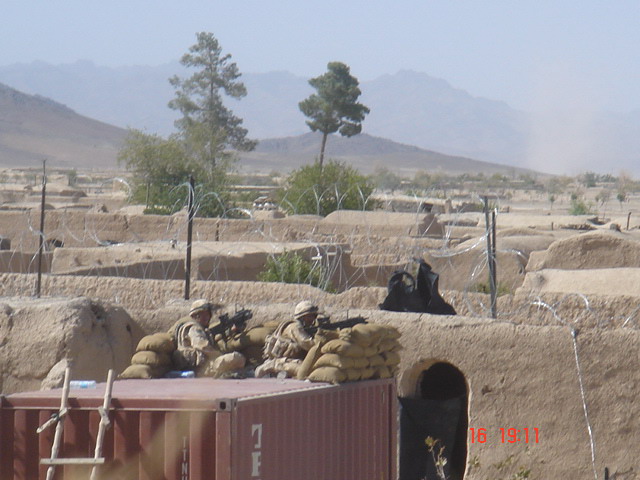
A 2RGR position in Now Zad, 2006.
D Coy had maintained a presence in Now Zad since May. The centre of British operations in Now Zad was the District Centre (DC). The DC was positioned in a walled compound, approximately 200 metres by 200 metres. Despite its limited size, it housed an office building, mosque, personnel accommodation and a jail. For defence the compound was guarded by six sangars, situated at strategic points around the walls. During this period, the senior RGR officer in the Now Zad DC was Major Dan Rex, Officer Commanding D Coy. A short distance away was another compound which housed the headquarters of the local Afghan National Police (ANP), referred to as ‘ANP Hill’. The ANP were allied with British forces, though some within its ranks held sympathies with the Taliban.
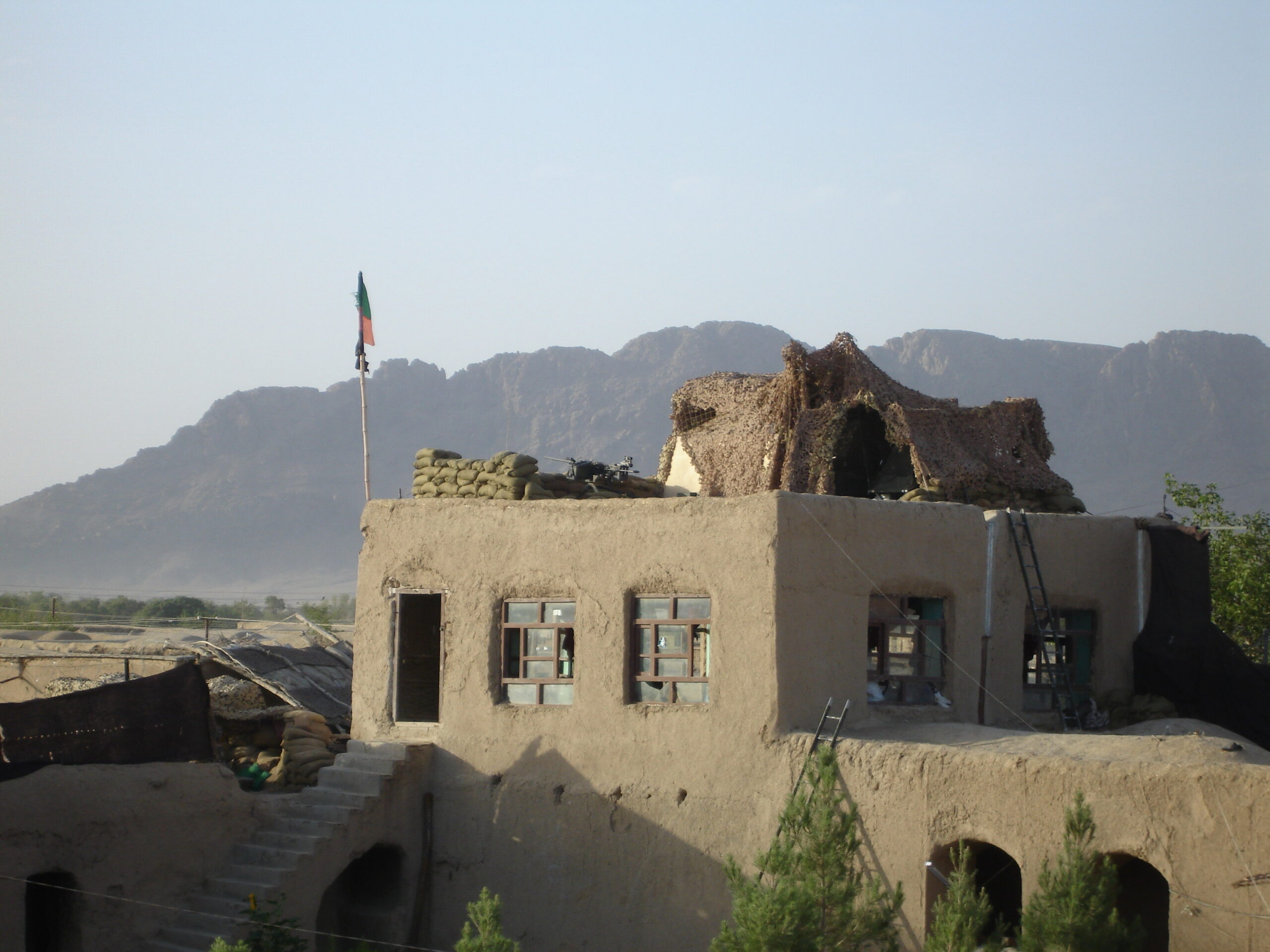
Sangar 3 at Now Zad District Centre, 2006
Initially, the Gurkhas time in Now Zad was mostly uneventful. They had been largely ignored by the local residents and only small probing attacks had been made against the Gurkhas’ outposts. But as June went by more Taliban fighters began trickling into Now Zad.
With British forces spread thin around the region, the Taliban hoped to humiliate the British Army by capturing or destroying the isolated Now Zad DC. Indeed, the British and ANP forces in Now Zad were too few in number to prevent the Taliban occupying the village.
By early July, the situation in Now Zad was becoming increasingly perilous and before long, the Gurkhas were effectively surrounded.
Siege
Corporal Kailash Limbu was a section commander during the siege. Helicoptered into the outskirts of Now Zad, his section was fired upon just moments after they had disembarked from the helicopter.
With dust clouds concealing the enemy, Kailash quickly rallied his men into cover. They spent a frustrating 10 minutes under fire, trying to pinpoint the enemy position. The shooting was eventually suppressed by counterfire from a nearby ANP outpost.
With the fire stopped, the section linked up with the rest of the platoon and made its way into the village proper. Fortunately, the Gurkhas made it into the DC without any casualties. Though brief, this engagement was a rough introduction to Now Zad and would set the tone for trouble to come.
The first determined Taliban attack came on 12 July. For six hours, the DC came under sustained barrage from automatic, machine gun and RPG fire. Though initially pinned down, the Gurkhas used their .50 Caliber machine guns to put pressure on the Taliban attackers. Eventually, US air support arrived and used three 500lb bombs to destroy the Taliban positions and two of their resupply vehicles.
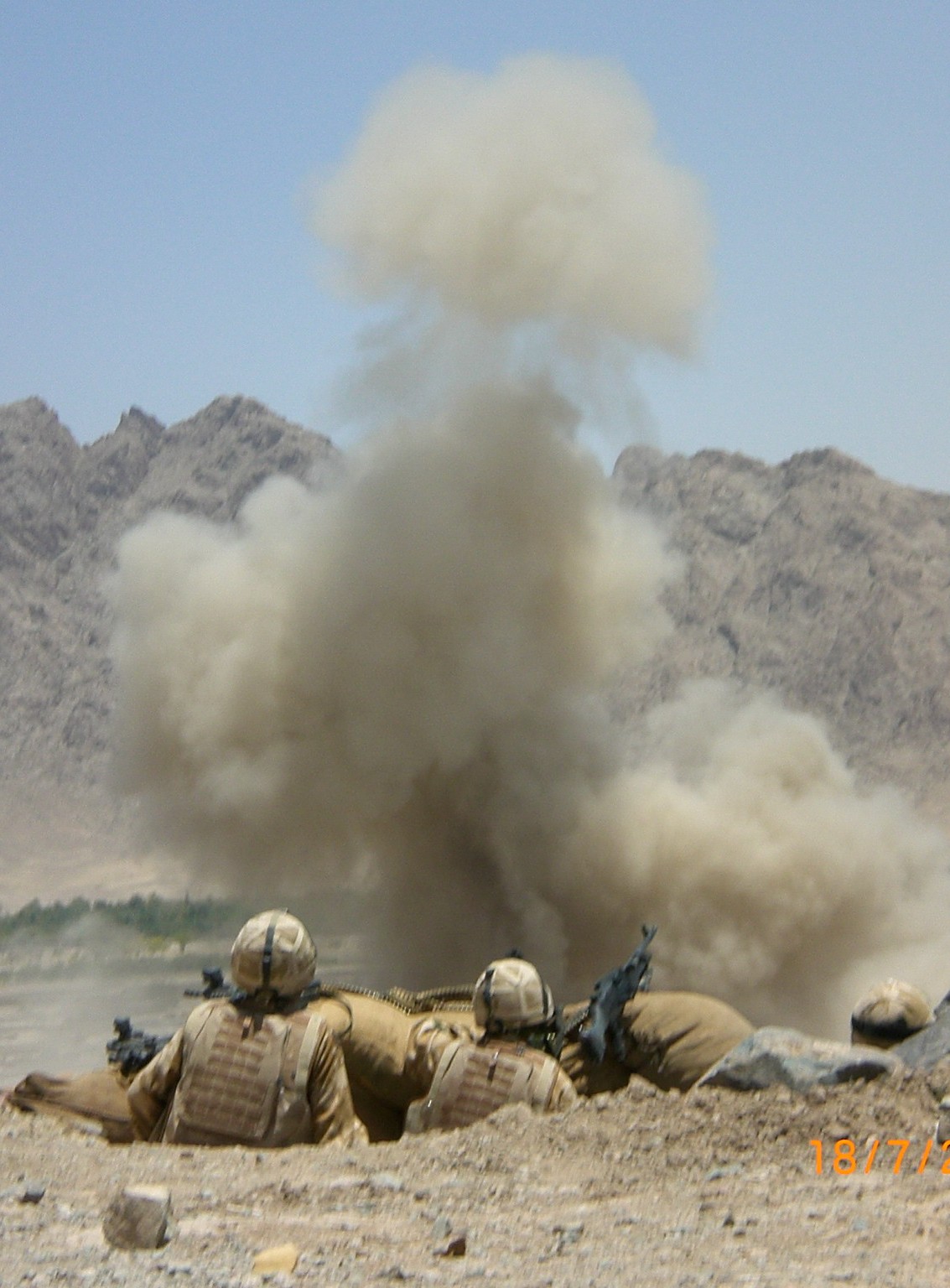
The aerial strike during the Now Zad siege, 2006
During the early hours of 13 July, another attack was launched against the DC. Under the bright light of a full moon, Taliban fighters crept close to the compound. In the centre of the action was Corporal Kailash, hunkered down in Sangar 3 with his section. Using night vision equipment, the section observed Taliban fighters forming up for the attack and engaged them with their General Purpose Machine Gun (GMPG).
This initial fire was effective, killing three enemy fighters. Despite their casualties, the Taliban were not deterred. The attack opened moments later, with RPG fire unleashed on the DC. Kailash later described the chaotic first moments of the fighting:
“[…] I was just about to send a SITREP to the tower when something flashed in a blaze of intense white light across the corner of my field of vision.
RPG!
A split second later, it exploded against the wall directly below me.
‘I’ve got him! I’ve got him!’ cried Nagen, opening up with the Minimi (machine gun). He was quickly joined by Gaaz on the GMPG while I reached immediately for the UGL (grenade launcher). An instant later there were two more explosions as first one then another RPG round exploded behind us somewhere in the compound. Straight away both Sangar 1 and platoon HQ’S GMPG burst into life as the two positions erupted in fury”.
Extract from Gurkha: Better to Die than Live a Coward by Captain Kailash Limbu.
With the defenders pinned down by heavy fire, groups of the enemy closed in on the compound. Concerns mounted that the DC would be overrun, prompting the Gurkha’s commander, Major Rex, to authorise mortar strikes close to compound. Kailash recalled that friendly GMPG fire and mortars fell so close to his sangar that it was struck by shrapnel. The mortar fire gave the Gurkhas the time they needed to regain control of the battle, and they held the enemy back until air support arrived. After relaying targets to a US Air Force A10, the defenders watched as the Taliban firing positions were strafed and bombed.
After almost 3 hours of fighting, the Taliban retreated. The Gurkhas spent the remainder of the night on high alert. At daybreak, the Gurkhas in Sangar 3 watched with relief as the sun rose over the village.
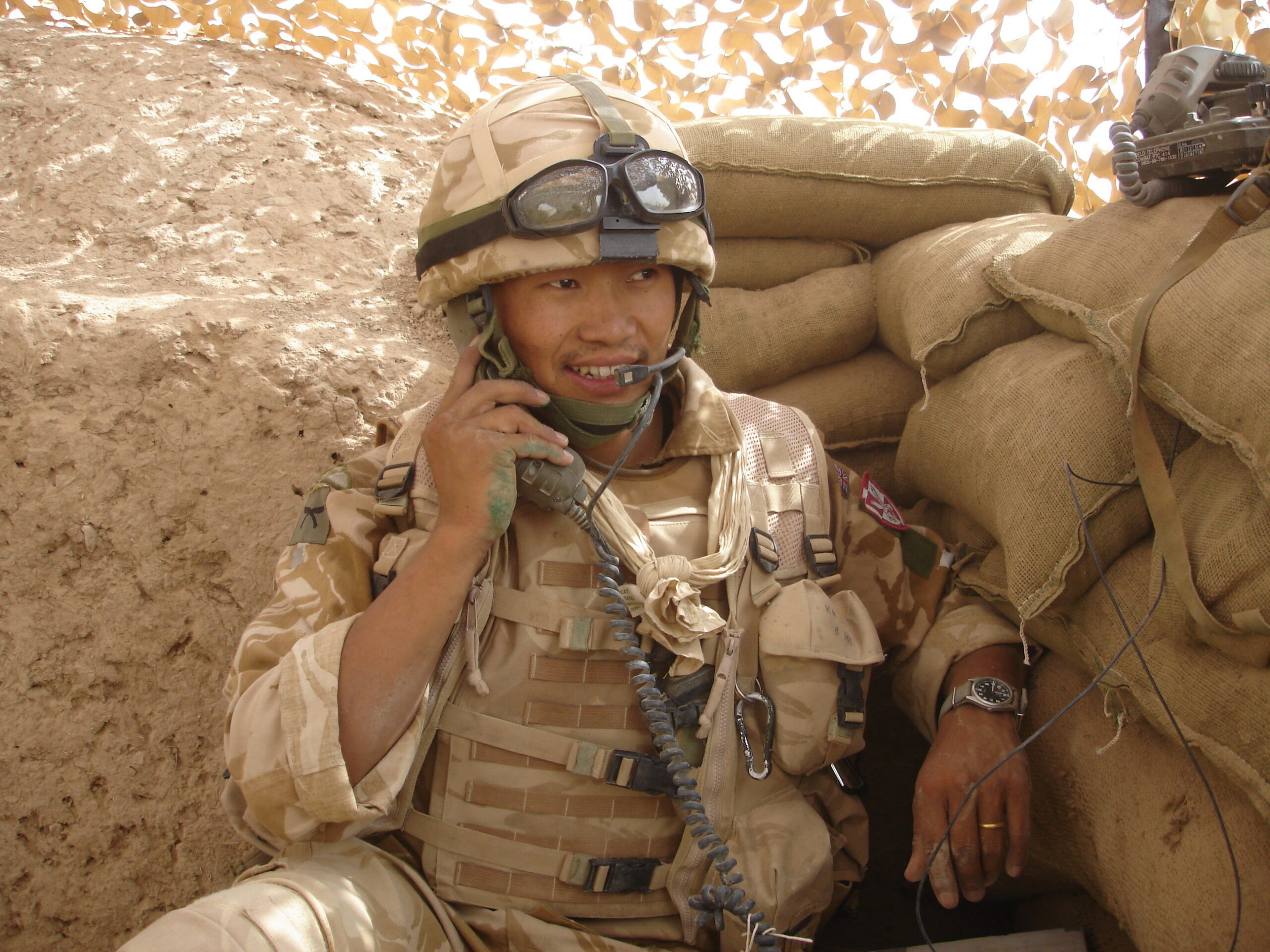
Corporal Kailash Limbu manning the radio in Sangar 3 during an enemy contact, Now Zad, 2006.
Intermittent attacks continued over the following days. On 16 July, the Chief of the local Afghan police was ambushed whilst walking between his position and the DC. At the same time, the DC also came under fire, some of it from as close as 80 metres away.
Gurkhas from the quick reaction force used grenades to clear a building being used by the Taliban as a firing position. Further air support, this time from a British AH-64 Apache, engaged the ambushers and ended the attack. When the Apache came under anti-aircraft (AA) fire, the Gurkhas provided target indication for a Hellfire missile strike which destroyed the AA position.
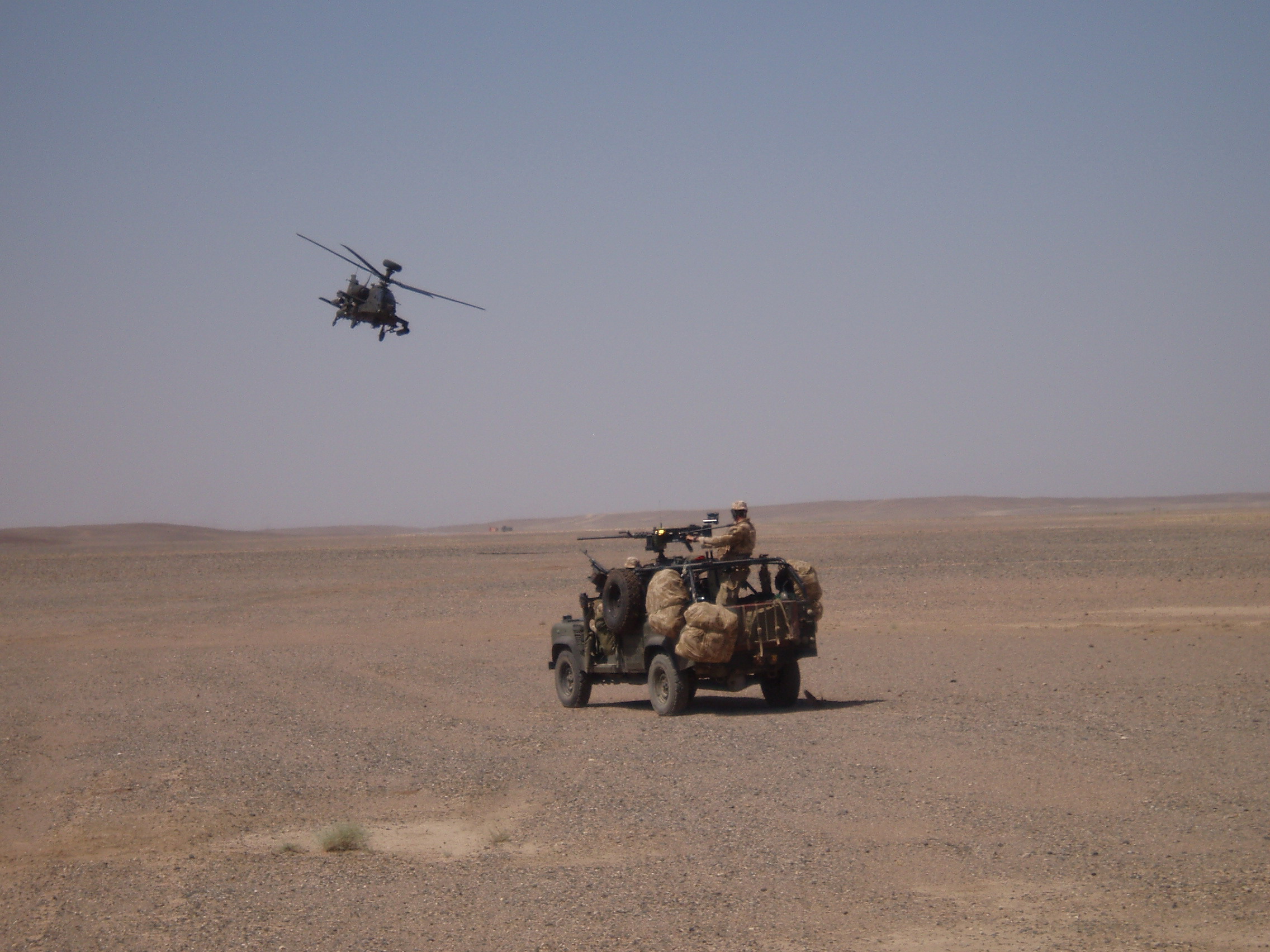
Image showing the AH-10 Apache helicopter and the Land Rover WMIK in Helmand.
Later that same day, the Gurkhas received welcome reinforcement when men from D Coy’s 12 Pl were flown in. Accompanied by a small fire support team equipped with mortars and machine guns, 12 Pl was stationed with the Afghan police at ANP Hill.
In spite of its bolstered defence, the Taliban kept up pressure in Now Zad. On 17 July, enemy fighters again infiltrated alarmingly close to the DC, attacking Sangar 3 from shops just 20 metres away. Further RPG attacks also hit the compounds Control Tower, which housed the operations room.
Barrages continued to make life uncomfortable over the following days. On 18 July, accurate mortar fire began falling close to the DC. The next day, three mortars fell within its perimeter, only 15 metres from the Control Tower. Although it caused no serious damage, neutralising the mortar fire became a concern.
An upside of the mortars frequent use was that 12 Pl, from their vantage point on ANP Hill, were able to figure out its approximate location. Relaying this to a US A-10, the pilot was able to use heat signatures to precisely pinpoint the mortar and strafe it. D Coy received no further trouble from mortars for the remainder of their stay in Now Zad.
Another threat faced by the Gurkhas was sniper fire, and direct hits on their .50 calibre machine guns were frequent. Because of the risks to personnel, all rotations of Sangar teams took place at night. Though skilled and well concealed, the Taliban snipers met their match in Corporal Imbahadur Ghale, D Coys sniper. He fought a series of duels with the enemy snipers, recording 4 confirmed kills.
The final large-scale attack on the Now Zad DC occurred on 22 July, when the Taliban launched two concurrent assaults on the DC and ANP Hill. Accurate sniper fire pinned down two Gurkha sections. The attack was again broken up with the aid of US air support.
This failed attack may have finally broken the resolve of the local Taliban forces. The Gurkhas final week in Now Zad was quieter, with no attacks and only intermittent enemy fire.
On 31 July, the Gurkhas were relieved by men of 3 PARA.
Legacy
Although the period in Now Zad had been the most intense part of the tour, D Coy would continue to fight engagements with the Taliban over the following weeks. In August and September, elements of D Coy joined Mobile Outreach Groups (MOGs). These jeep mounted patrols cut deep into Taliban territory, where the Gurkhas provided support to British units and harassed the enemy.
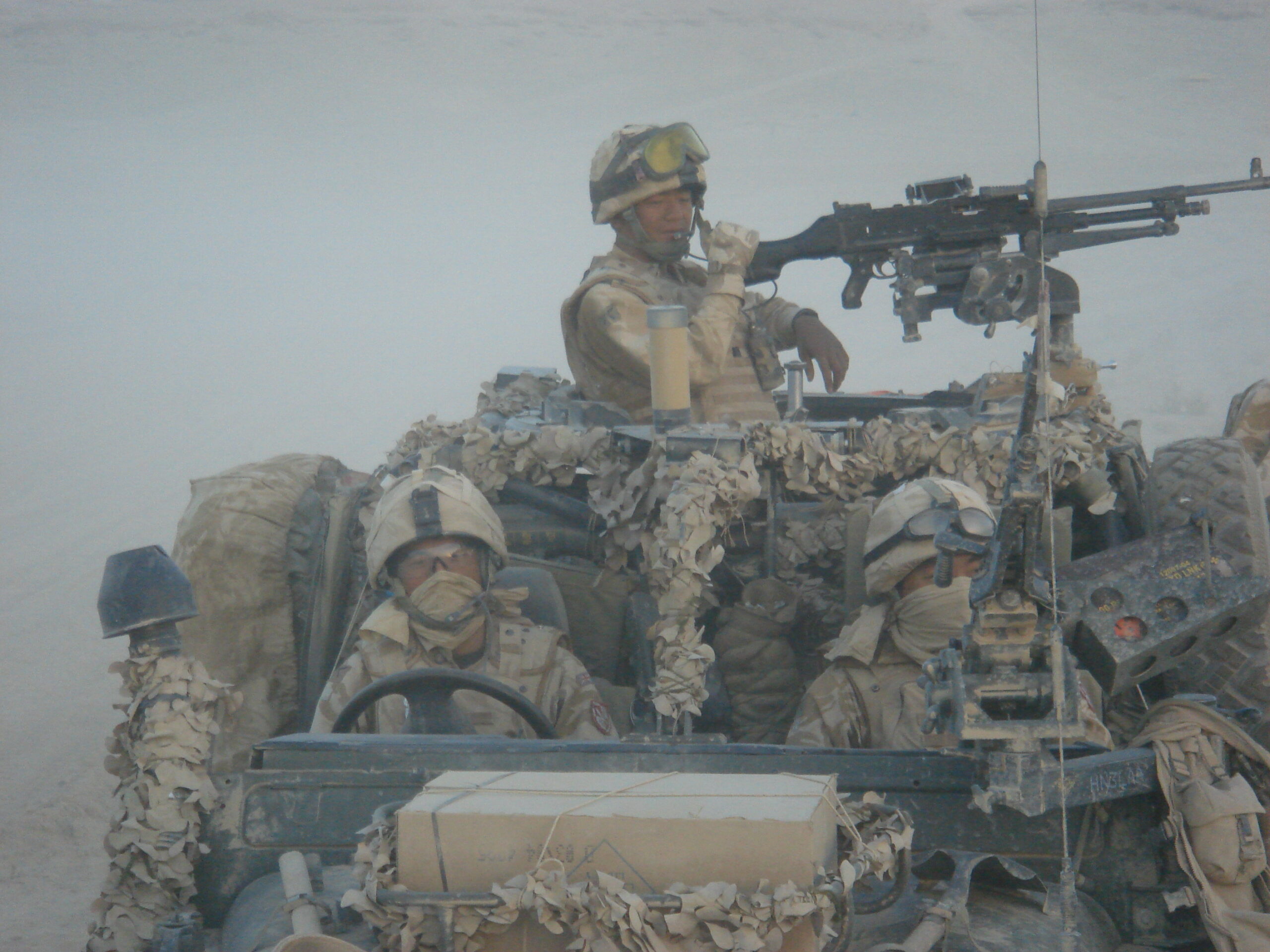
Jeep mounted Gurkha patrol, Helmand 2006.
D Coy left Afghanistan on 5 October. Its tour had been a resounding success. The company provided invaluable support for the British Army across Helmand, and despite being involved in severe fighting had suffered no loss of life.
The high point of the tour had been the Gurkhas determined defence of Now Zad DC between 13-22 July. During their time there, they’d expended an estimated 30,000 5.56mm rounds, 17,000 rounds of 7.62mm, and 2,000 rounds of 12.7mm. 21 high-explosive grenades had been thrown. With three men wounded, the Gurkhas had killed around 100 Taliban fighters.
Whilst the Gurkhas leaving Now Zad were proud of their accomplishment, due praise and recognition was also given to the British and American pilots and aircrew who had frequently risked their lives to provide close air support to the Gurkhas.
Twenty years have passed since the Gurkhas defence at Now Zad. Kailash Limbu, who is now a Captain, published his recollections of the fighting in his book Gurkha: Better to Die than Live a Coward.
In closing his book, Captain Kailash reflected upon the men he had fought beside:
‘Each of them was, in my view, a hero, a warrior in the true Gurkha tradition. So when, as I occasionally do, I ask myself whether I could face another operation like the one we fought over those four weeks back in July 2006, I answer:
So long as I am with the officers and men of the Brigade of Gurkhas my answer is yes, I would. Any time.’
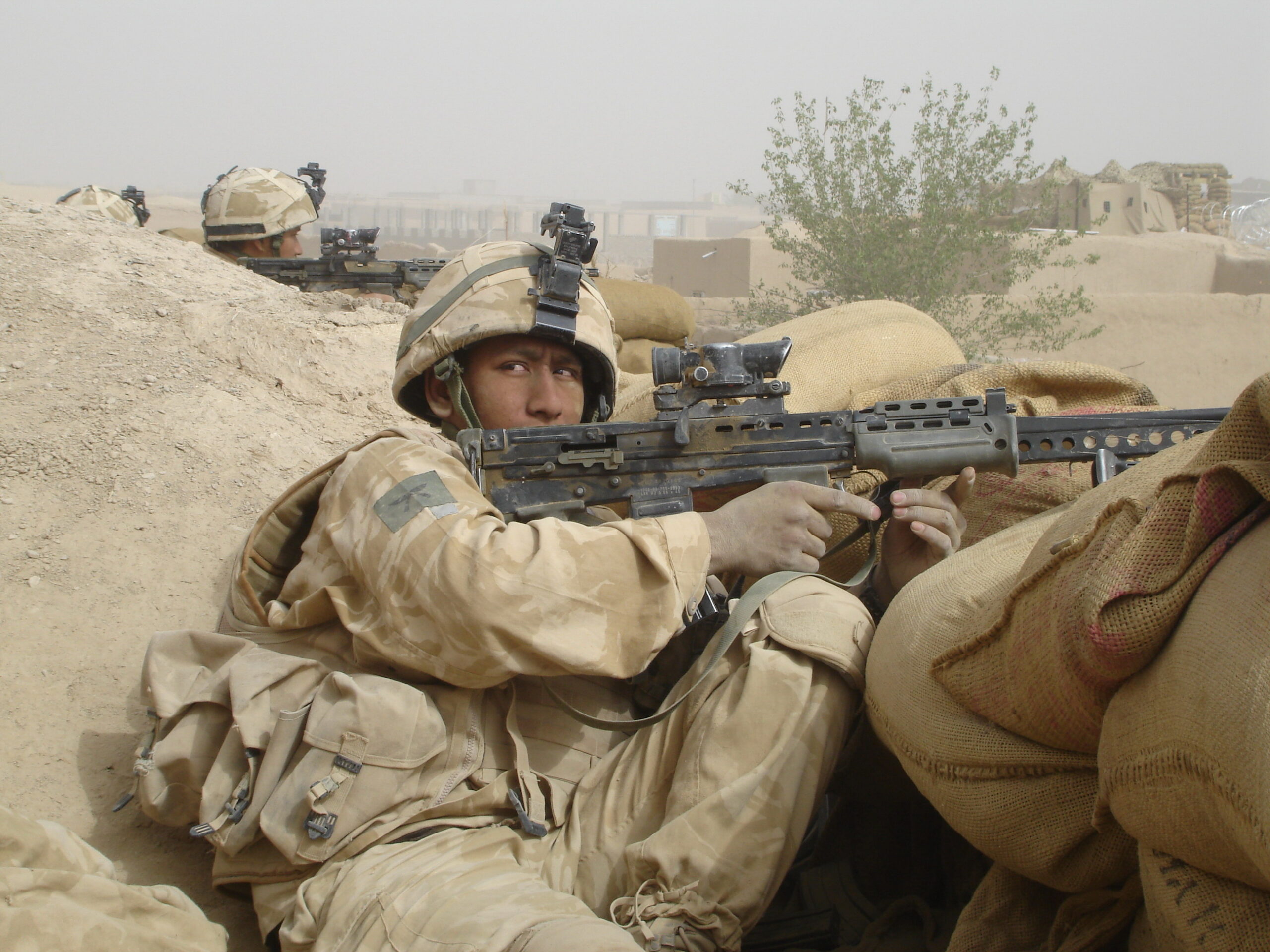
Rifleman Lukesh under fire, Now Zad 2006